Opening a restaurant in Miami is one of the hardest businesses you can choose. The city has more restaurants per capita than almost anywhere in the US, the rent is brutal, and your competition isn't just the spot next door — it's every concept being airlifted in from Mexico City, Buenos Aires, Tulum and New York looking for a Miami flag.
Most marketing advice for new restaurants is generic and useless: "post consistently on Instagram, partner with influencers, run some ads." That's not a strategy. That's a checklist of activities that may or may not move the needle for your specific concept, in your specific neighborhood, with your specific audience.
This guide is different. It's the actual sequence we use at AYW when we work with restaurants opening in Miami — the order we'd do things, the budget ranges that matter, the mistakes we've watched smart operators make. It's written for people who are about to spend real money on opening a restaurant and want to know what will actually work.
The 3 stages of marketing a new restaurant in Miami
Most restaurant owners think about marketing as "stuff we do once we open." That's wrong. The marketing work that determines whether your restaurant becomes a Miami staple or closes in 18 months happens in three distinct stages, each with completely different goals.
Stage 1: Pre-launch (90 to 30 days before opening)
This is where most restaurants leave 70% of their potential momentum on the table. Pre-launch isn't about building hype — it's about systematically building an audience that's primed to show up the moment you open.
The work in this stage:
- Build the Instagram account 90 days out, not 14 days out. You need followers, content, and engagement before you open — not after.
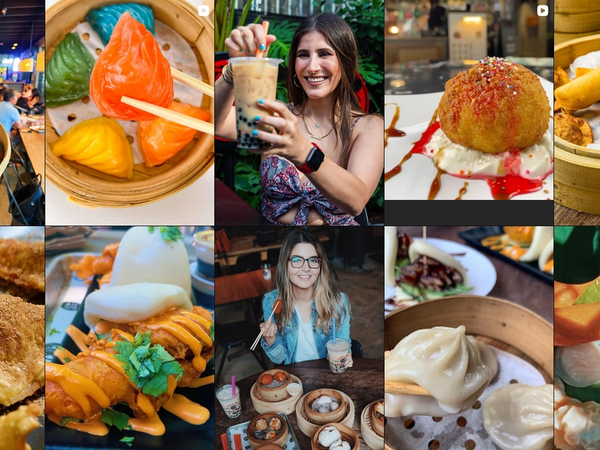
- Identify and engage the 20-30 Miami food creators who actually drive traffic. Not the biggest accounts. The ones whose audience trusts their recommendations enough to actually visit a place they post about.
- Soft-launch invitations. Two or three private dinners for press, local creators, and operators of complementary businesses. Not "influencers" — operators. The owner of the cocktail bar two blocks over will tell ten of their best customers about your place. That's worth more than a 100K follower post.
- Get the website right. Sounds obvious, but most restaurants launch with a half-built site, broken reservation system, and no SEO foundation. By the time they fix it, they've lost three months of search traffic.
Stage 2: Launch (opening week + 30 days)
Opening week is when most restaurants get the most marketing attention they'll ever get. Your job is to convert that attention into a habit. People showing up once is not success. People deciding within their first visit that they'll be back is success.
Tactics that work:
- A real PR push, not just an Instagram post. Press coverage in Miami New Times, Eater Miami, Time Out Miami, Local 10, NBC6 — this is what signals "this restaurant matters" to people who aren't yet in your social media bubble.
- Strategic food creator visits, timed across opening week so coverage drips out for 10-14 days rather than dumping in one day and disappearing.
- A capture mechanism for first-time visitors. Email signup, WhatsApp opt-in, loyalty program — something that lets you talk to them again without paying to reach them.
- Paid social geo-targeted to the 3-mile radius around your restaurant. Not "Miami" as a target. Wynwood. Edgewater. Brickell. Specific neighborhoods, specific income brackets, specific interests.
Stage 3: Stabilization (months 2-12)
This is where most restaurants quietly fail. Opening hype fades by week 6. If you don't have systems in place to consistently bring people in during slow nights, you'll burn through cash trying to figure it out.
Stabilization work:
- A weekly content calendar that doesn't depend on you posting at 11pm after a long shift.
- Programming: trivia nights, chef's tasting menus, brunch series, industry nights — Miami audiences respond to reasons to come, not generic "we're open."
- Ongoing paid media focused on retargeting people who visited the website but didn't book, or people who follow you on Instagram but haven't been in 60 days.
- Press relationships maintained, not abandoned. The same outlets that covered your opening will cover your one-year anniversary, your new chef, your seasonal menu — if you keep them in the loop.
The Miami-specific factors most agencies miss
Marketing a restaurant in Miami is not the same as marketing one in Austin, Nashville or LA. There are local realities that determine which tactics work and which don't.
Miami runs on bilingual word of mouth
A new restaurant in Miami will succeed or fail in two languages at once. If your Instagram is English-only and your menu doesn't account for the Spanish-speaking 70% of your zip code, you're voluntarily cutting your addressable market in half.
This doesn't mean every post needs to be translated. It means at least 30-40% of your content should be in Spanish, your captions should code-switch naturally, your WhatsApp should respond in whichever language someone writes to you, and your media strategy should include Spanish-language press (Telemundo, Univision, Hola Miami).
Seasonality is brutal and predictable
Miami restaurant traffic isn't random. It follows tourism: peak from November to April, dead from June through August. If you don't plan your marketing budget around this, you'll spend big in slow months when nobody's listening and have nothing left for the months when you could actually fill the room.
The neighborhood matters more than the city
"I want to be the hot Miami spot" is not a strategy. "I want to be the place Wynwood creatives go for a Tuesday night dinner" is. Every successful Miami restaurant owns a neighborhood, a daypart, and an audience. Trying to be everything to everyone in a city of 2.7 million is the surest way to be invisible.
What it actually costs
Restaurant owners ask us this all the time and most agencies dodge the question. Here are honest ranges for marketing a new restaurant in Miami in 2026:
- DIY/Bootstrap mode: $500-$1,500/month for paid social, content tools, and a small influencer budget. Realistic only if the owner or a team member can write, photograph, and post consistently.
- Light agency support: $3,000-$5,000/month gets you a small team handling social, basic paid media, and ad-hoc content. Still requires owner involvement.
- Full launch support: $8,000-$15,000/month for the first 3-6 months covers strategy, content production, paid media, PR, and influencer programming. This is what you'd spend launching a serious concept with national ambitions.
- PR-only push for opening: $5,000-$10,000 one-time for a 90-day press campaign with a Miami-based publicist.
A new restaurant marketing budget should be roughly 5-8% of projected first-year revenue for the launch window, dropping to 3-5% in stabilization. If you're projecting $2M year one, you should be ready to invest $100,000-$160,000 in marketing in the launch period.
Restaurants that try to launch on $500/month and then wonder why nobody's coming have answered their own question.
What doesn't work (and why it keeps getting recommended anyway)
Some tactics get pitched to every new restaurant because they're easy to sell, not because they work.
Mass influencer dumps
Inviting 30 random influencers to a soft opening and hoping for organic posts is a great way to get expensive coverage from people whose audience doesn't intersect with yours. Better: identify the 5-10 creators whose followers are actually your target customer, and structure paid partnerships with creative briefs that fit your brand.
Boosted Instagram posts
The "boost post" button is the lowest-effort, lowest-return paid media tactic on the platform. Real paid social for restaurants requires proper campaign setup, audience targeting, creative variations, and conversion tracking. Boosting alone is closer to setting money on fire than to marketing.
Generic loyalty programs
"Buy 10 get 1 free" punch cards are dead. What works in 2026: tiered programs that recognize regulars by name, surprise gifts on customer birthdays, exclusive tasting events for top spenders. The point isn't the discount — it's the recognition.
Yelp Ads
We've never seen Yelp's paid product produce meaningful ROI for a Miami restaurant. The platform's domestic usage is declining and the demographic skews older than most concepts target. Spend that budget on Instagram or Google ads instead.
The opening week checklist
If you're 30 days from opening and want a tactical to-do list, here's what we'd execute:
- D-30: Final Instagram bio, link tree, and reservation system live. Begin daily posting cadence. Open WhatsApp Business line.
- D-21: First press list outreach (Miami New Times, Eater Miami, Time Out Miami, The Infatuation, Hola Miami).
- D-14: Soft opening dinner #1 (press + operators only, no posting permitted).
- D-10: Soft opening dinner #2 (creators + tastemakers, posting encouraged with embargo).
- D-7: Paid social campaigns activated, geo-targeted to 3-mile radius.
- D-3: Final menu and reservation system stress test. Email/WhatsApp blast to mailing list.
- D-1: Final press follow-ups. All staff briefed on social media handles, signage, photo opportunities.
- D-0: Open. Capture every reasonable moment for content. Welcome every guest like they're going to become a regular. They might.
- D+7: First press wave coverage analysis. Identify what's working. Double down.
- D+14: Second wave of creator visits, timed to avoid the first wave dropping off.
- D+30: First retention email/WhatsApp campaign to opening-week visitors who haven't returned.
The bottom line
Marketing a new restaurant in Miami isn't about being clever. It's about doing the unglamorous work — building an audience before you open, executing a real press strategy, capturing the contacts of everyone who walks through the door, and consistently giving people reasons to come back during the slow months.
The restaurants that survive year one aren't the ones with the prettiest Instagram feeds. They're the ones whose owners understood from day one that marketing isn't a department — it's how you stay alive long enough to become a Miami institution.